
BAP: Refined Filipino cuisine and Korean BBQ in Valletta
Filipino and Korean cuisines have spent far too long being introduced with words like “street food”, “cheap eats” and “comfort food”. BAP takes a different approach. Rather than reinventing either cuisine or worse, trying to fuse them together, the Valletta restaurant gives each the same level of care, precision and presentation more commonly associated with fine dining, drawing on classical French culinary techniques while remaining remarkably respectful of their roots.
That philosophy runs throughout the menu, which moves comfortably between Filipino classics and Korean barbecue without either cuisine ever feeling like a supporting act. Instead, both are allowed to stand confidently on their own, united by carefully sourced ingredients, refined technique and a clear respect for tradition.
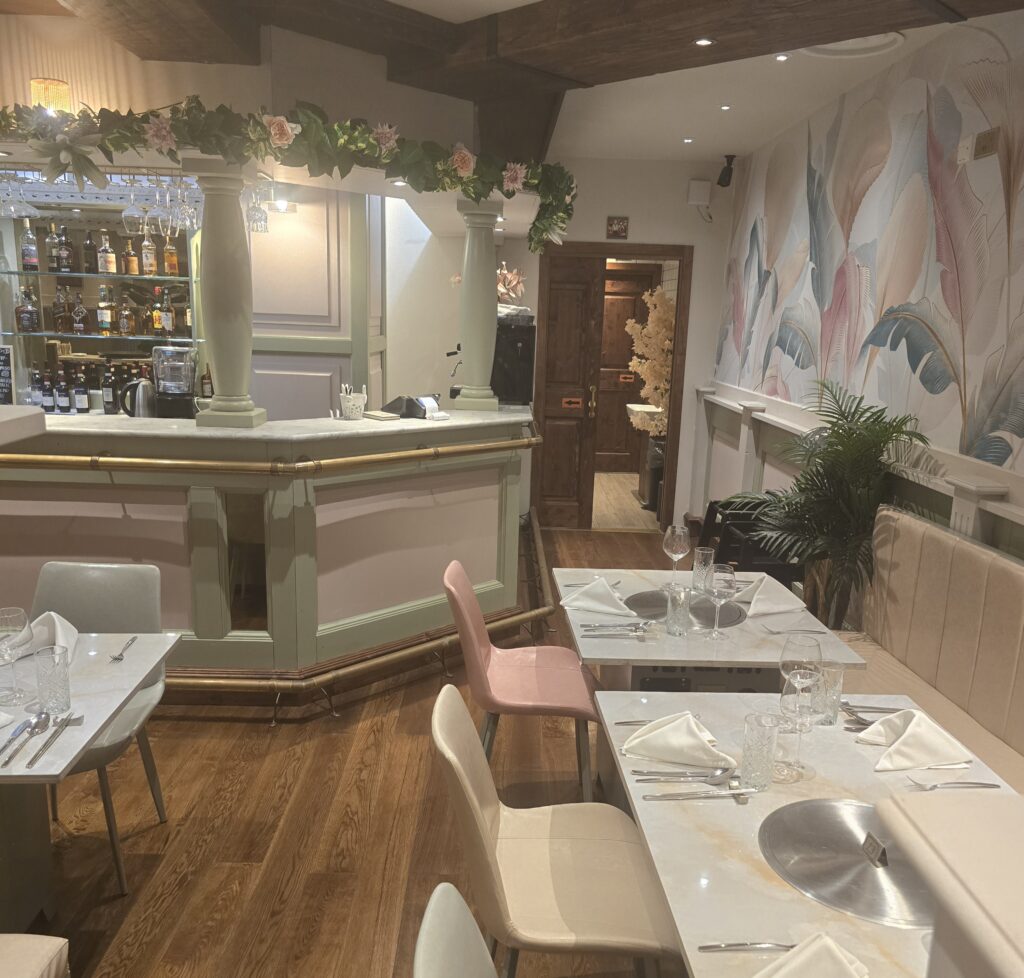
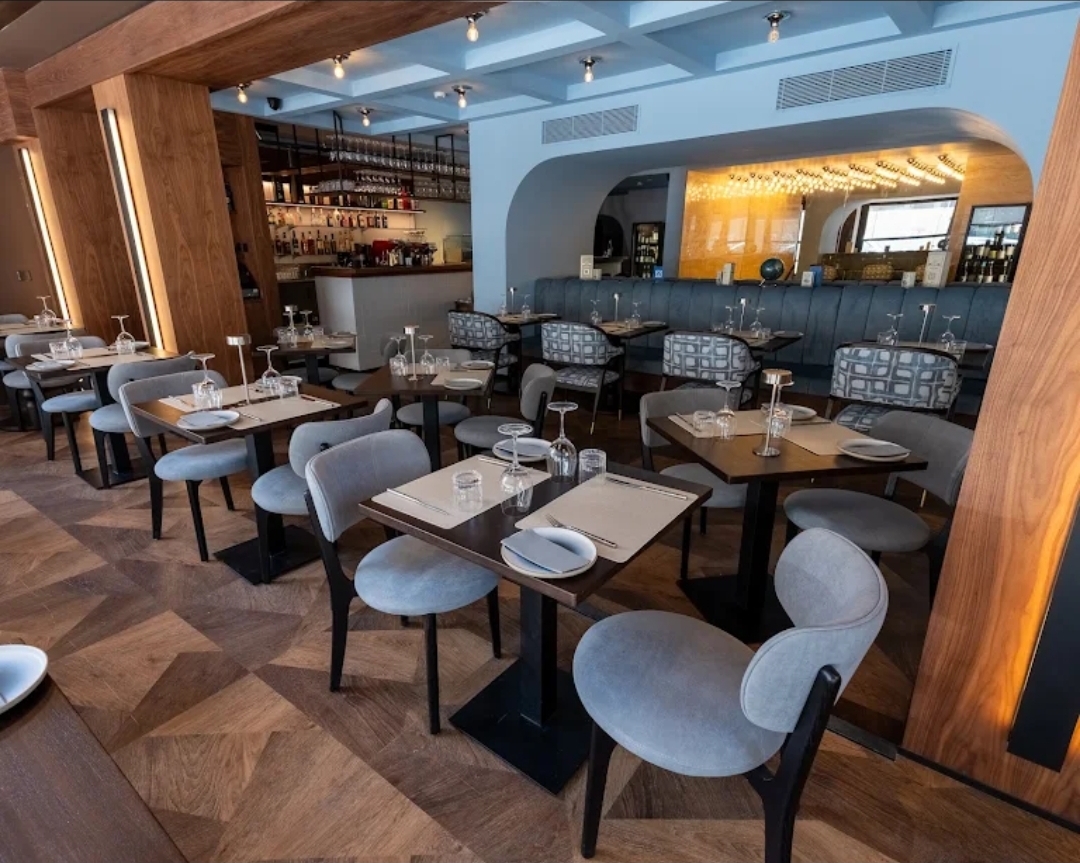
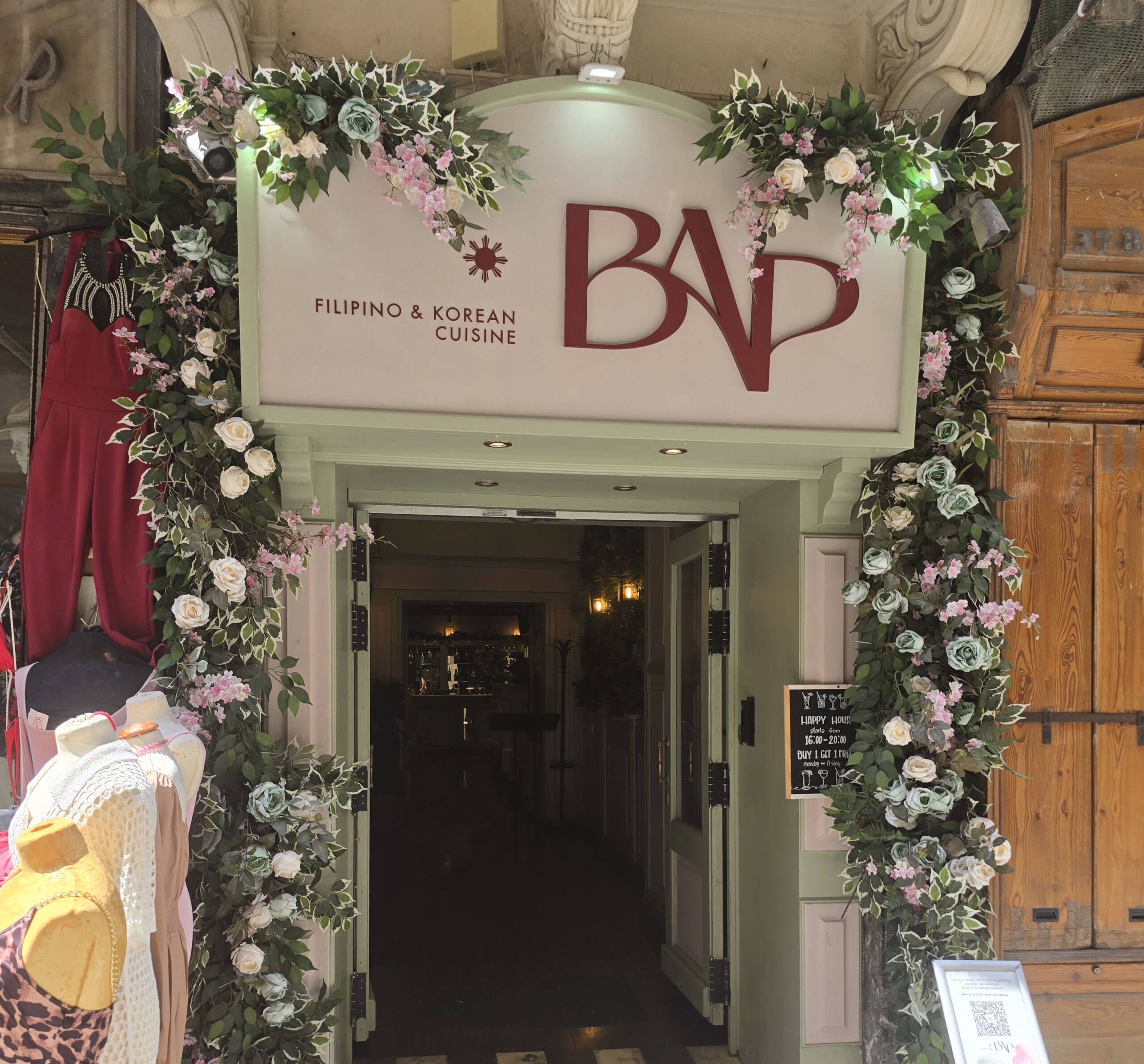
The setting follows a similarly considered route. A black-and-floral façade on St. Zachary Street opens into a greenery-lined passage beneath an ornate Maltese ceiling, before giving way to a dining room of sage-green panelling, blush-pink accents, botanical murals and polished tables. Pretty, yes, but not precious. The large grills built directly into the tables make it clear that dinner will involve slightly more participation than choosing which fork to use.
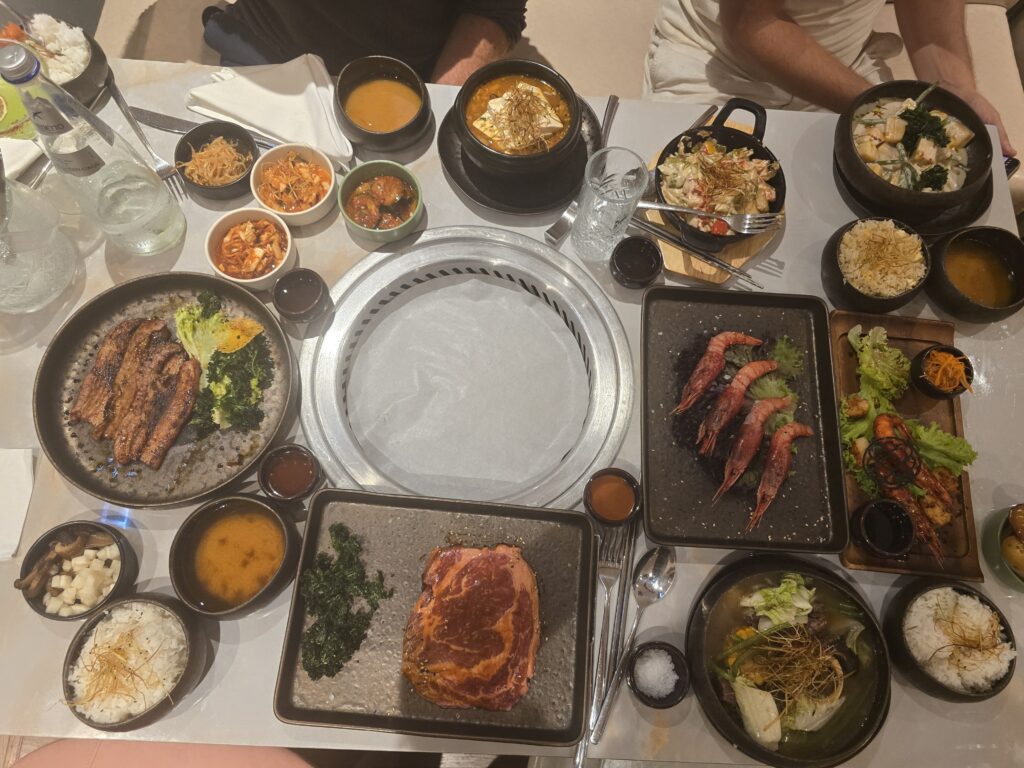
The menu is divided into Starters, Broths & Soups, Noodles, Filipino Grills & Classics, Korean Grill Meat Selection and Desserts, allowing both cuisines enough room to make their case properly.
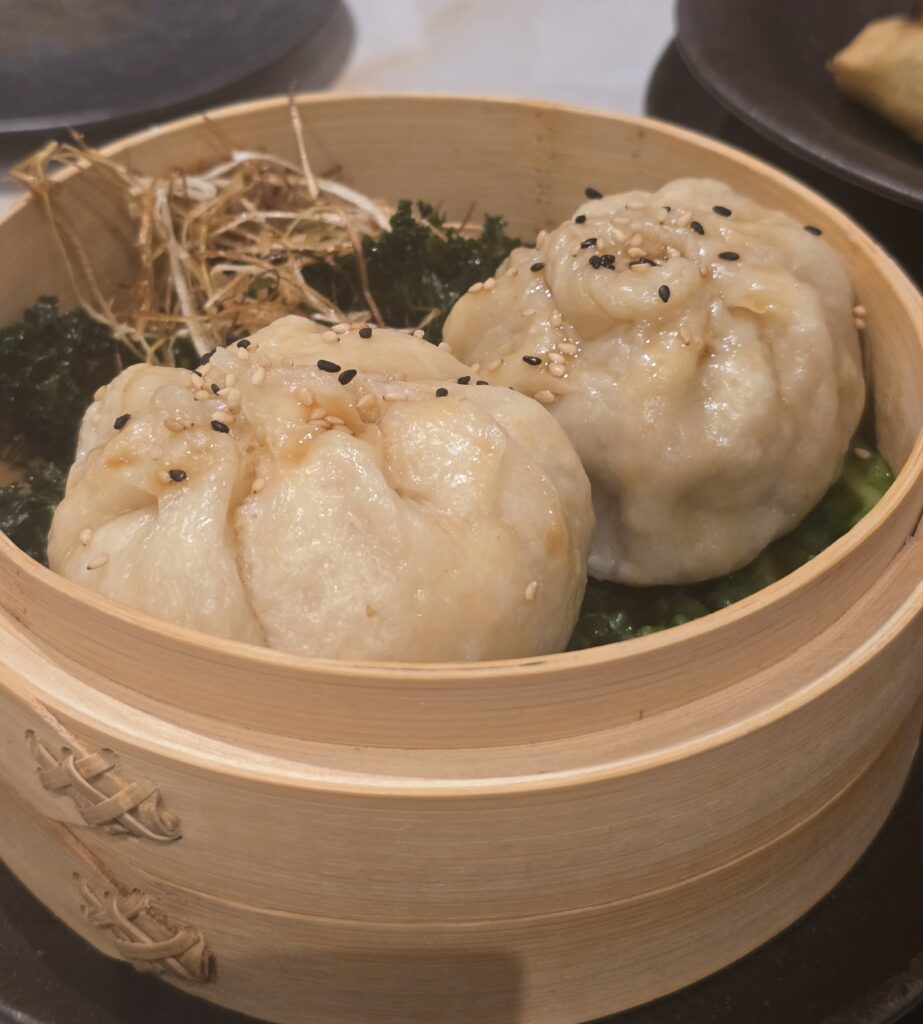
Highlights from the Starters included the Siopao Pork Asado, a traditional steamed bun generously packed with pulled pork asado and served with asado soy sauce. Despite the amount of filling, the bun remained light rather than stodgy, with the quality and texture of the meat doing far more work than unnecessary embellishment ever could.
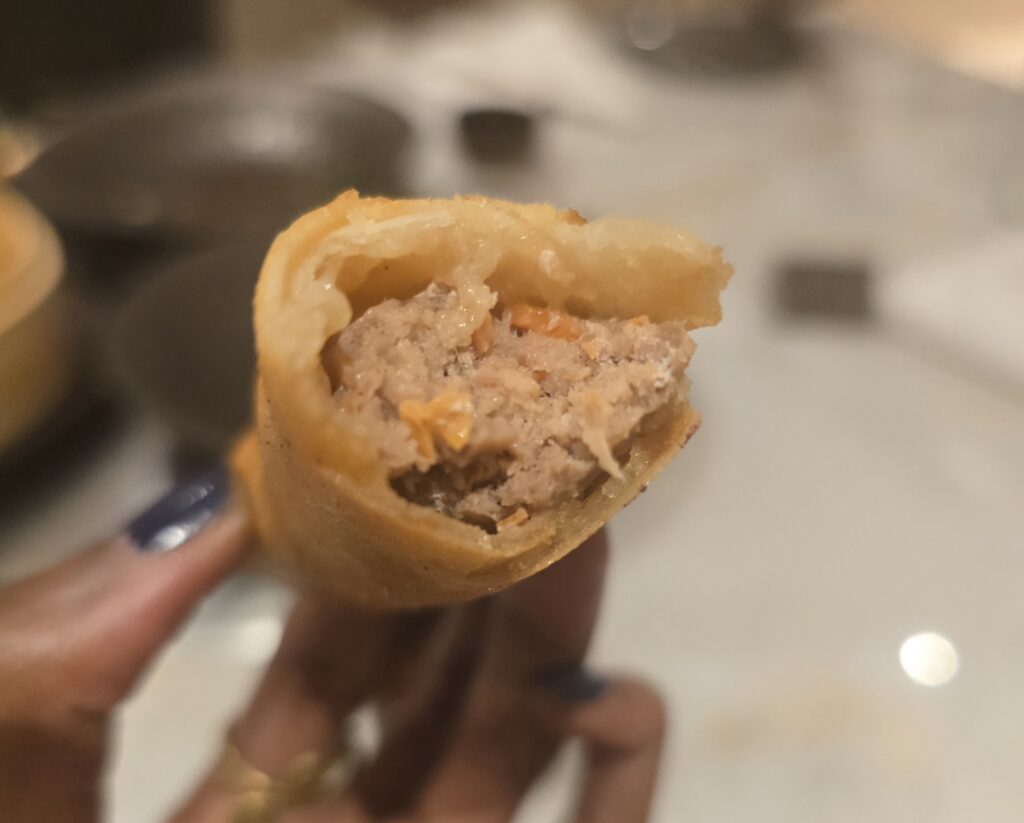
The Lumpiang Shanghai was equally convincing. These classic Filipino pork spring rolls arrived with a fine, crisp shell and a dense, well-seasoned filling. There is nowhere for mediocre ingredients to hide in something this straightforward. Fortunately, none appeared to be trying.
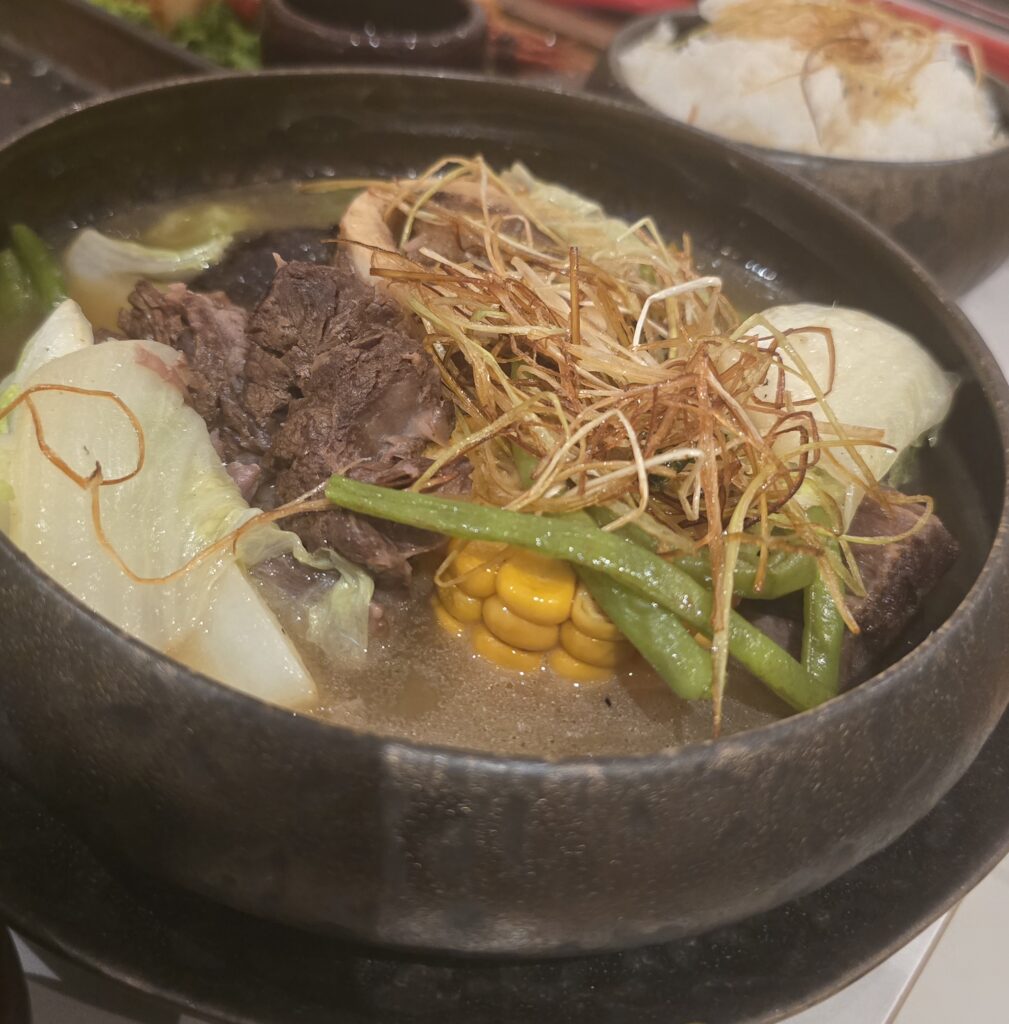
From the Broths & Soups section, the Beef Bulalo was one of the evening’s strongest dishes. A Filipino classic built around beef shank slowly cooked in broth, this version came with sweetcorn, shiitake, napa cabbage and string beans. The broth was deeply savoury but clean, with enough richness from the beef to feel restorative rather than heavy. The sort of dish that makes silence descend over a table for entirely respectable reasons.
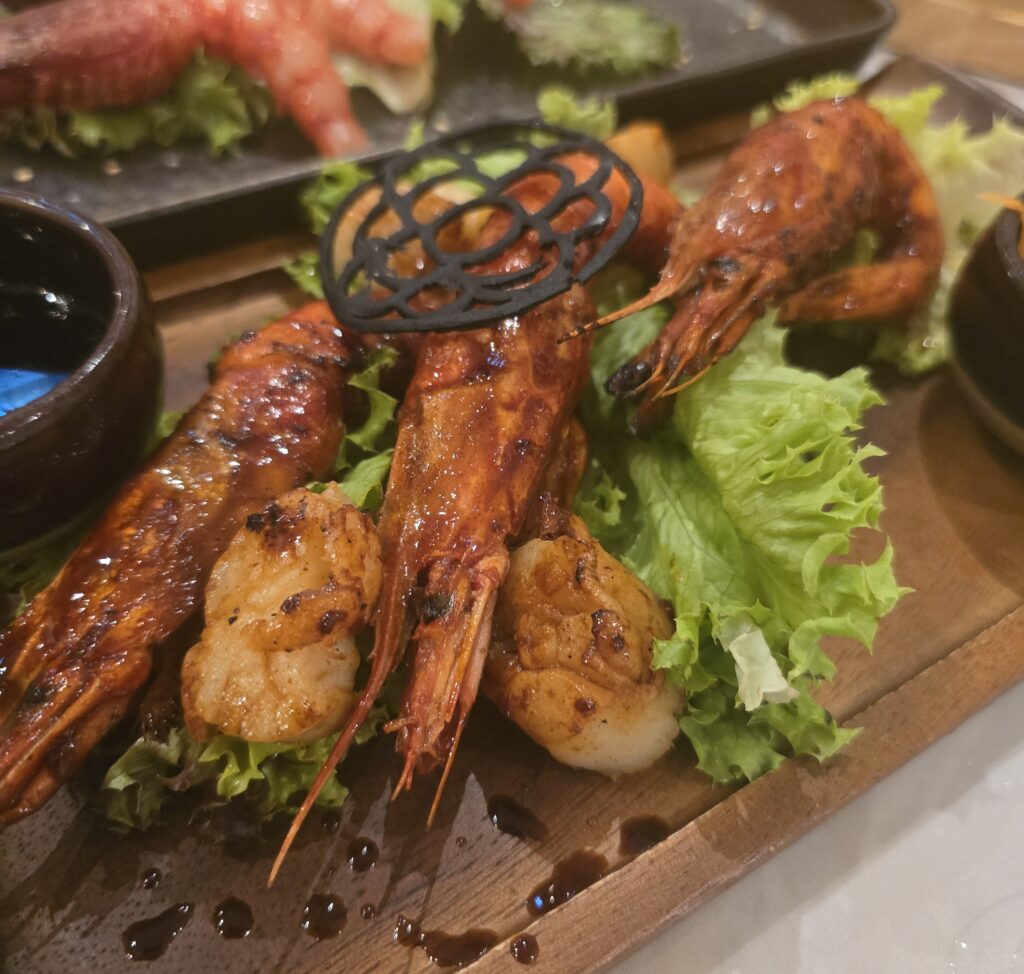
The Filipino Grills & Classics section moves from chicken adobo and kaldereta to charred meats and seafood cooked over Japanese binchotan charcoal. I tried the Sinugba Ng Dagat, pairing king scallops and king prawns with calamansi and soy sauce, alongside the Inihaw Na Liempo, charred pork belly in a sweet, sour and smoky marinade.
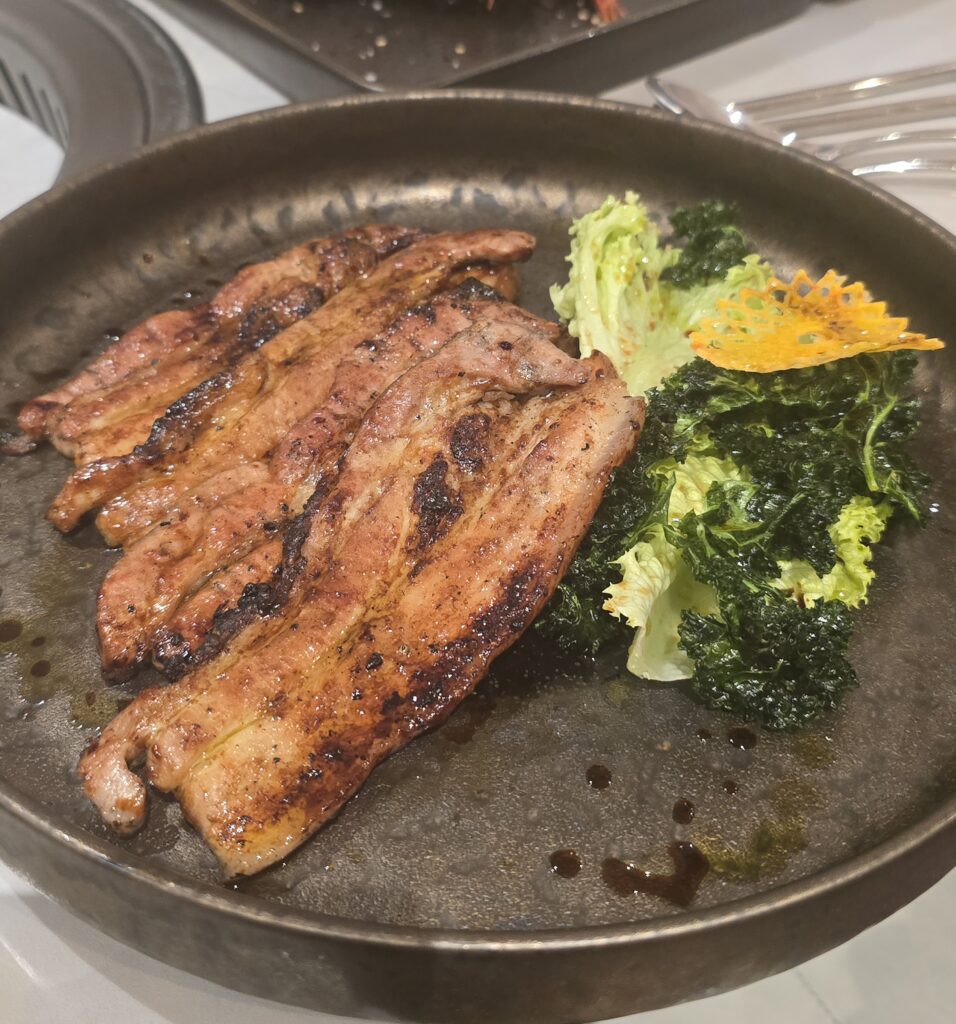
Both arrived with fragrant jasmine rice, house-made pickled vegetables and dipping sauces, turning each plate into a series of different combinations rather than one fixed experience.
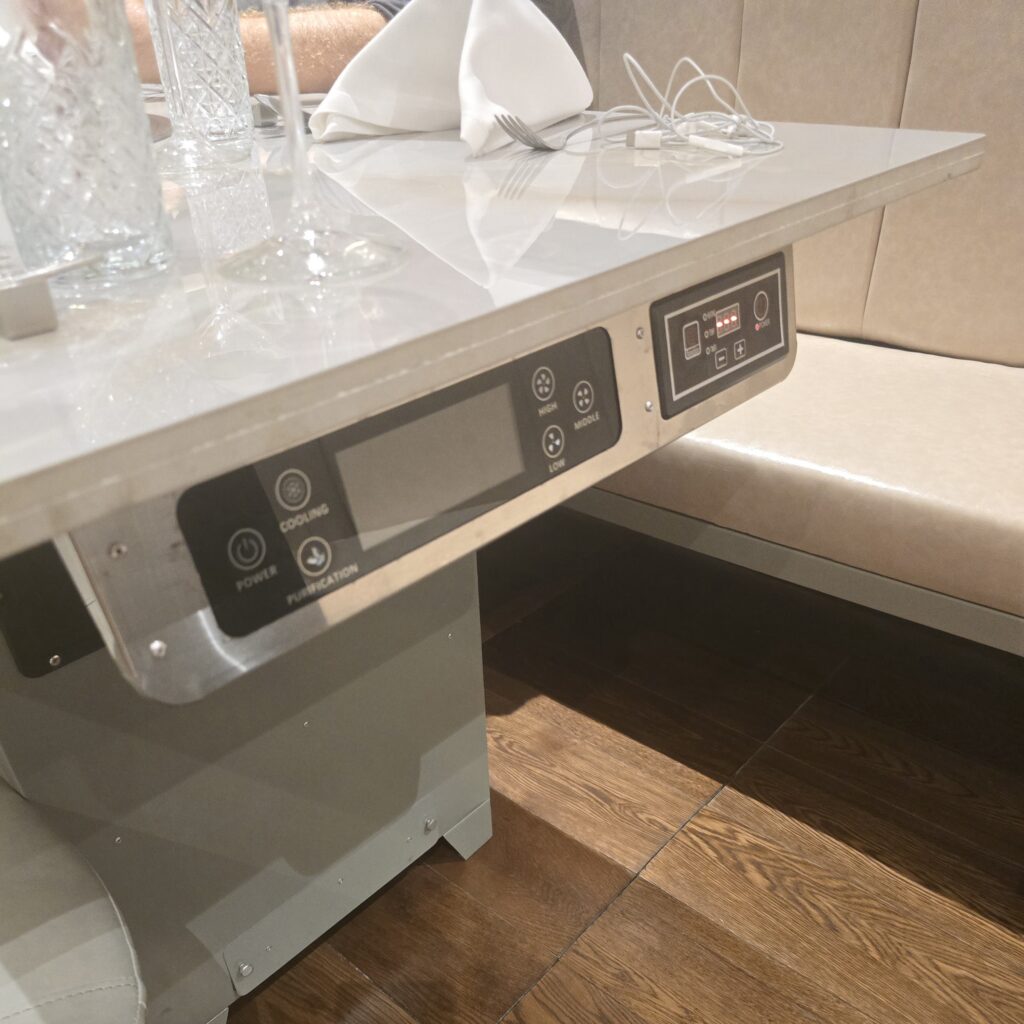
Then there is the Korean Grill Meat Selection, and this is where BAP makes a considerable song and dance of dinner without becoming gimmicky. The grilling system is built directly into the table: substantial, technical-looking equipment rather than a portable hotplate deposited between the water glasses. Staff guide diners through the process, leaving you with the enjoyable part while keeping the expensive meat out of unnecessary danger.
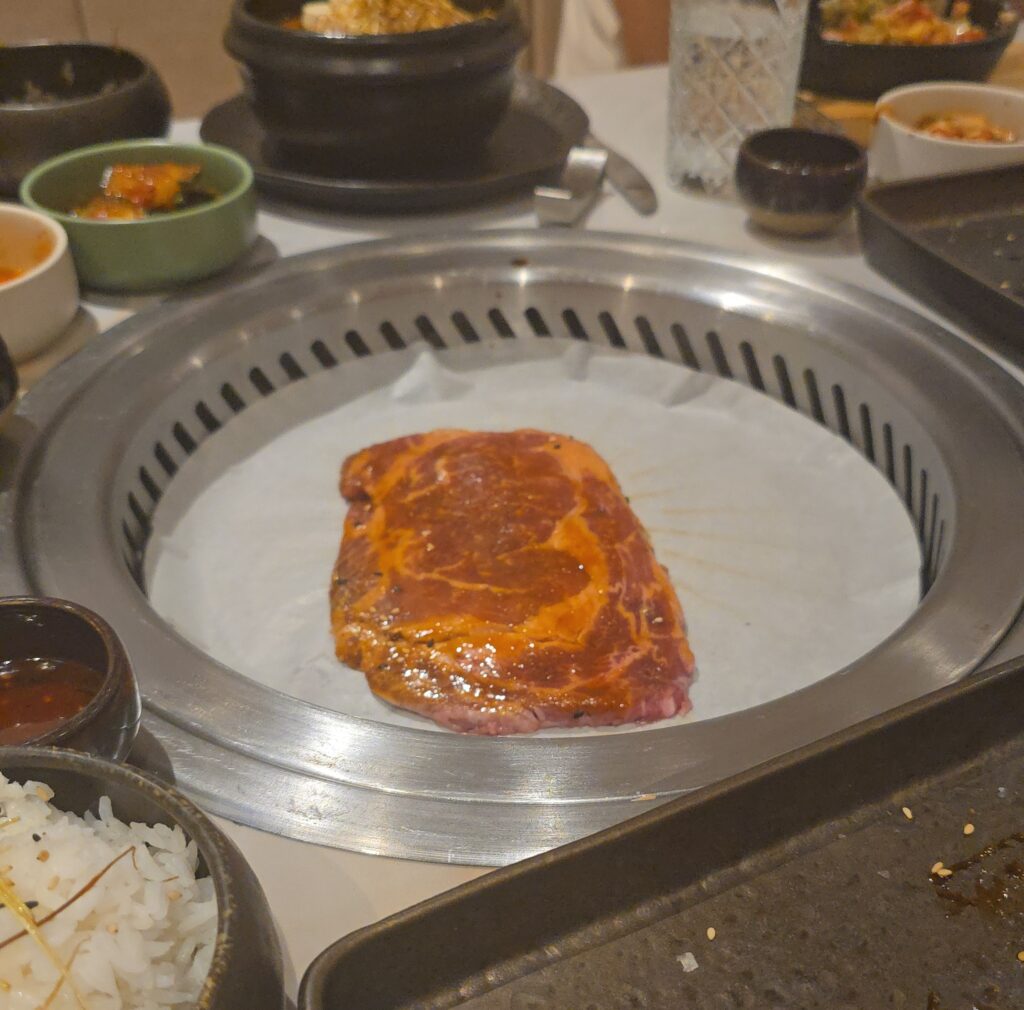
The selection includes beef short rib, Australian beef bavette, local pork belly, brisket, Iberico pork secreto, king scallops, beef flank steak and USDA Prime Ribeye, alongside the Local King Rossi Prawns I ordered.
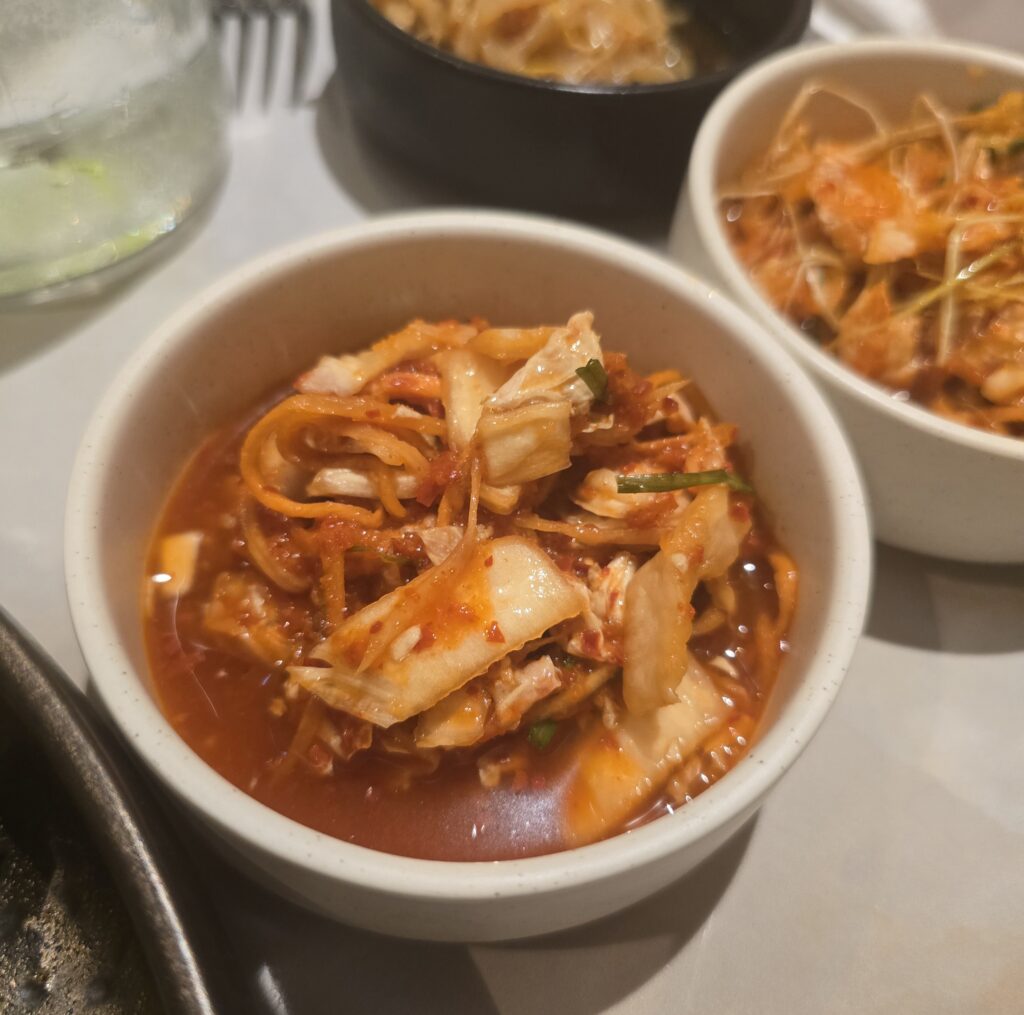
Korean grill dishes come with kimchi, beef broth, rice, banchan, sauces, lettuce, sea salt and Asian pepper, so the grill is only half the story. The rest happens through wrapping, dipping, seasoning and repeatedly insisting you are finished before cooking one more piece.
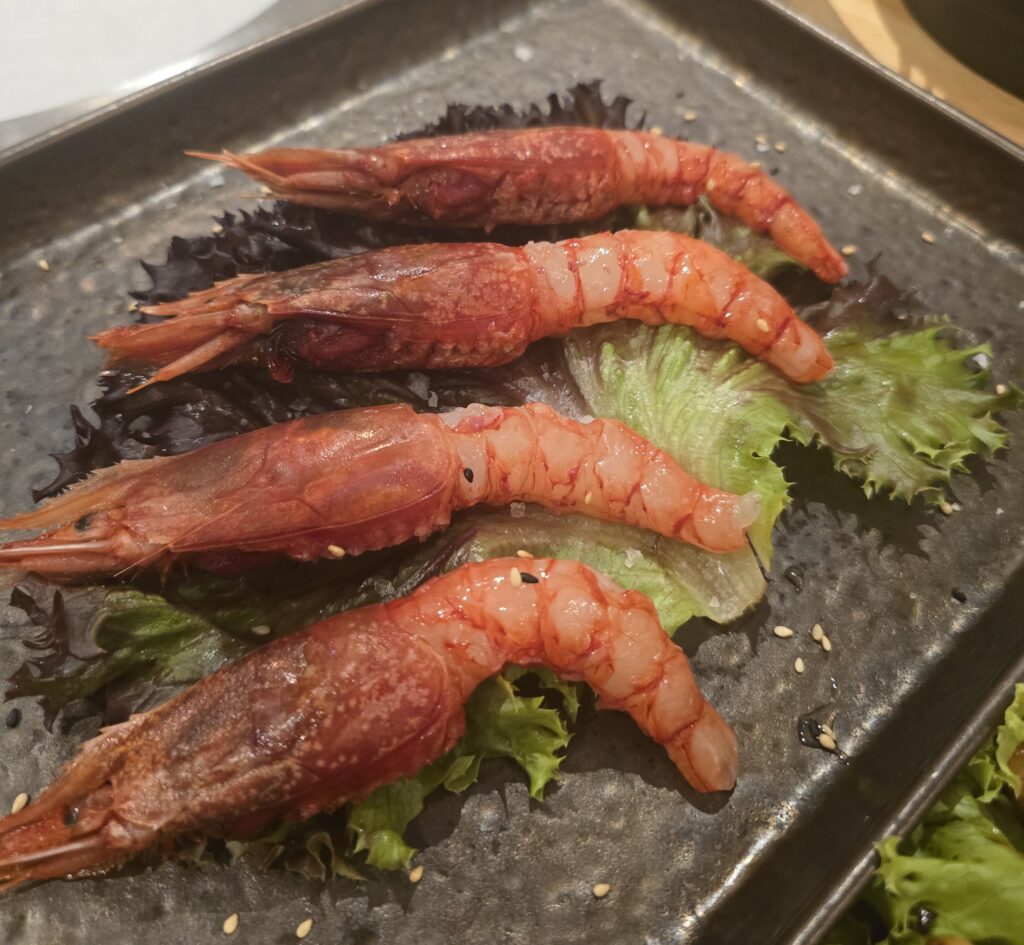
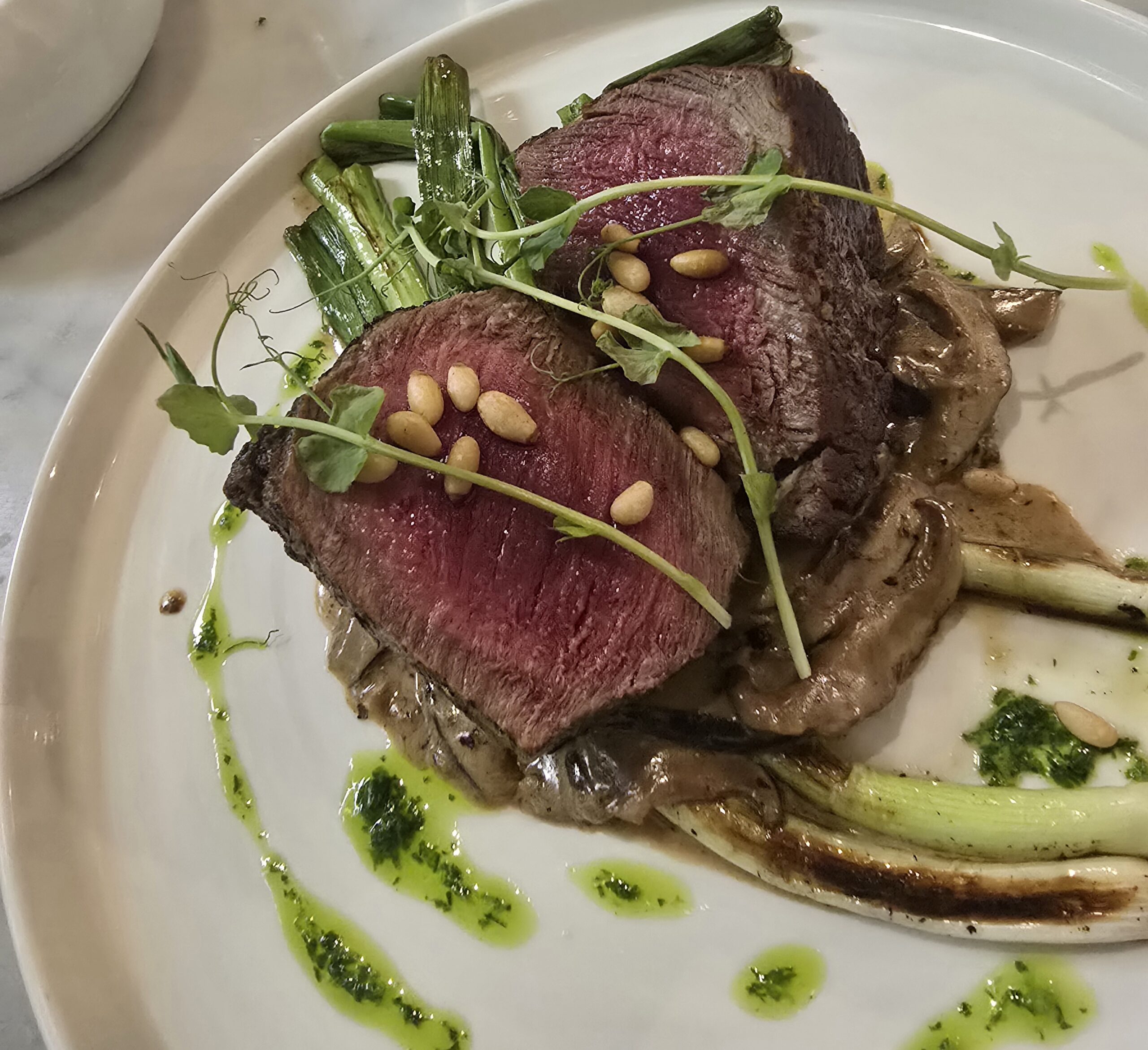
The prawns were substantial and naturally sweet, needing little beyond heat and restraint. The ribeye, meanwhile, justified the theatre around it: well-marbled, deeply flavoured and best left largely alone apart from the grill, a little salt and whichever banchan had temporarily taken control of the table.
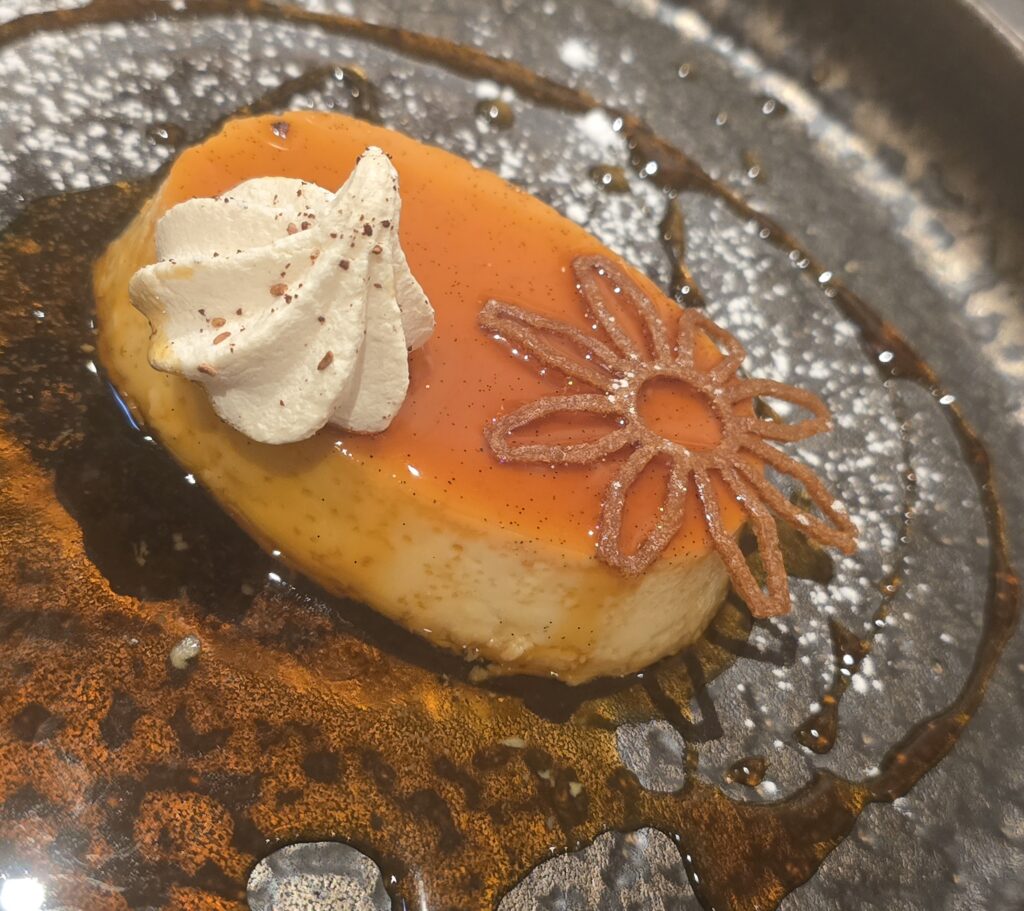
The dessert menu is short and sweet, both literally and figuratively, moving between ube, fruit, chocolate and Filipino crème caramel. I finished with the Dulce De Leche Flan, a smooth, carefully set crème caramel served with brown-butter caramel and honey tuile, alongside churros. The flan had enough bitterness and depth in the caramel to prevent the whole thing collapsing into sugar for sugar’s sake.
For a broader introduction to the restaurant, BAP also offers a tasting menu at €60 per person, with a minimum of two guests. There is also a weekday Express Lunch, priced at €25 for two courses or €30 for three, which is a rather civilised way to investigate the menu without turning lunch into a financial inquiry.
Restaurants often talk about respecting tradition while pushing boundaries. BAP is one of the few places where that balance genuinely feels earned. Rather than trying to reinvent Filipino and Korean cuisine, it simply gives both the platform—and technical precision—they deserve. In doing so, it quietly challenges a long-held perception that these cuisines belong solely in the worlds of casual dining and street food.
Two cuisines. No identity crisis.
BAP
38 St. Zachary Street
Valletta
Website